
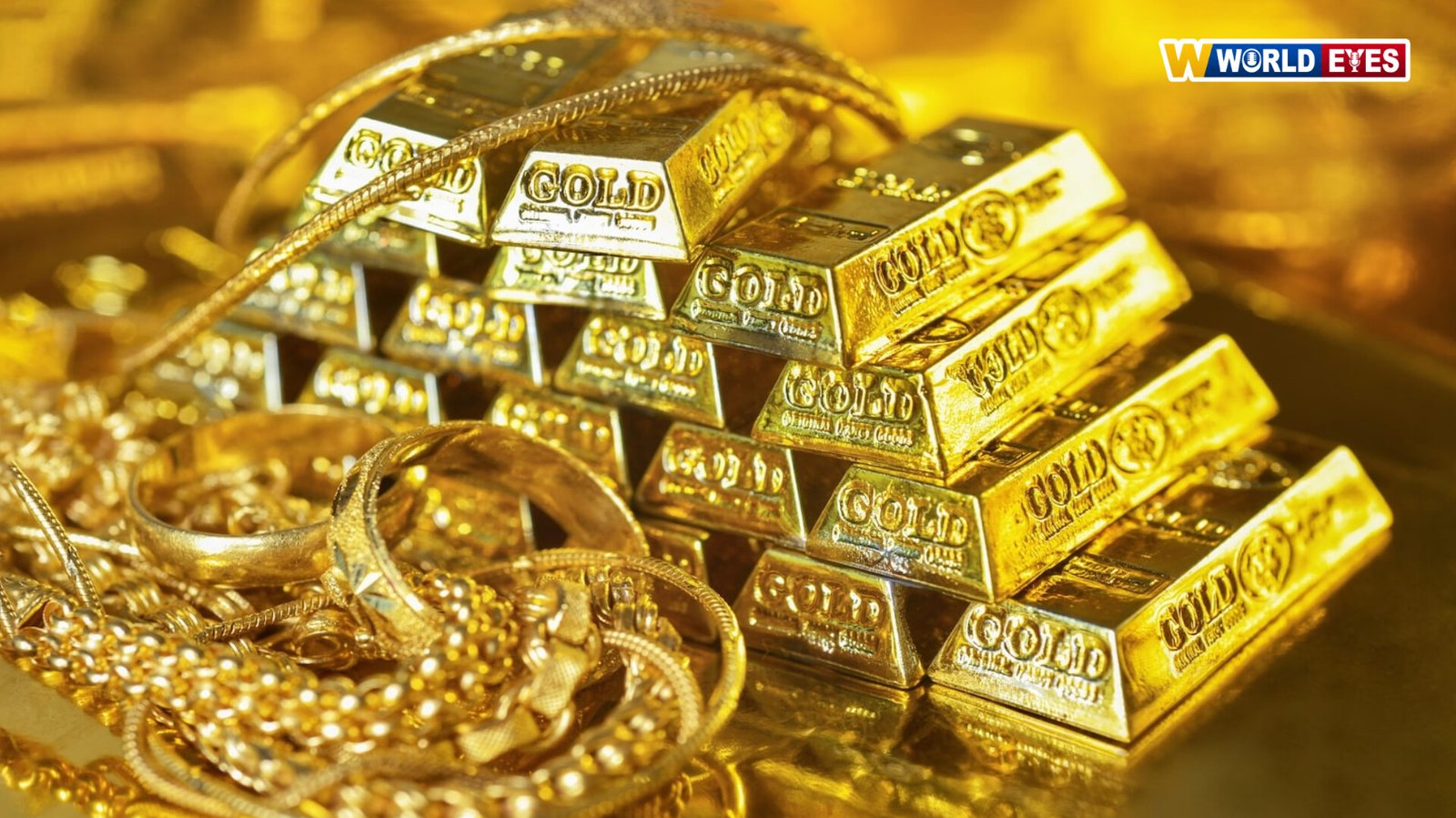
New Delhi: Gold prices could remain elevated between $4,200 and $5,000 per ounce over the next 12–24 months, driven by sustained central bank purchases, strong Asian investor demand and limited growth in mine supply, according to a report by NDB Wealth Management.
At the time of the report, gold was trading at $4,118.91 per ounce, down $5.82, or 0.14 per cent.
The report highlighted a shift in the factors influencing gold prices, noting that the precious metal has continued to gain despite traditionally unfavourable conditions, including higher US interest rates, persistent inflation and a stronger dollar.
Central Banks and Asian Investors Drive Gold Demand
According to NDB Wealth Management, central banks purchased 289 tonnes of gold in the second quarter of 2026. Meanwhile, Asian gold funds recorded net inflows of nearly 70 tonnes during the first half of the year, their strongest first-half performance on record, the report said.
In contrast, North American gold funds experienced outflows of approximately 61 tonnes over the same period, reflecting pressure from higher US real yields and a stronger dollar.
Central banks are increasingly purchasing gold to diversify their reserves and reduce dependence on the US dollar, rather than to benefit from short-term price movements.
The World Gold Council is projecting central bank purchases of around 850 tonnes in 2026, close to the 863 tonnes recorded in 2025.
Limited Gold Supply Could Support Prices
Supply constraints could provide further support to the market. Global mine production is forecast to increase by just 2.4 per cent to 3,907 tonnes in 2026.
Higher mining costs and lengthy development timelines could also limit how quickly producers respond to stronger prices.
Could Gold Touch $5,000?
NDB Wealth Management's base-case scenario, assigned a 50 per cent probability, projects gold prices in the range of $4,200–$5,000 per ounce over the next 12–24 months.
However, the outlook remains subject to several risks. A lasting peace in the Gulf, easing inflation and a pause in US interest rate hikes could put downward pressure on prices.
Conversely, concerns over US government finances and the Federal Reserve's independence could strengthen demand for gold as a reserve asset.
The report concludes that the trajectory of gold prices will depend significantly on whether central bank purchases and Asian investor demand remain strong, alongside developments in geopolitics and confidence in US fiscal policy.
Reader Discussion (0)
Leave a Reply
Your email address will not be published. Required fields are marked *