
Iran has issued a fresh warning to the United States, offering to reopen the strategically vital Strait of Hormuz within 48 hours if Washington agrees to end the war on all fronts. Tehran has also warned that rejecting its proposal could lead to renewed military confrontation.
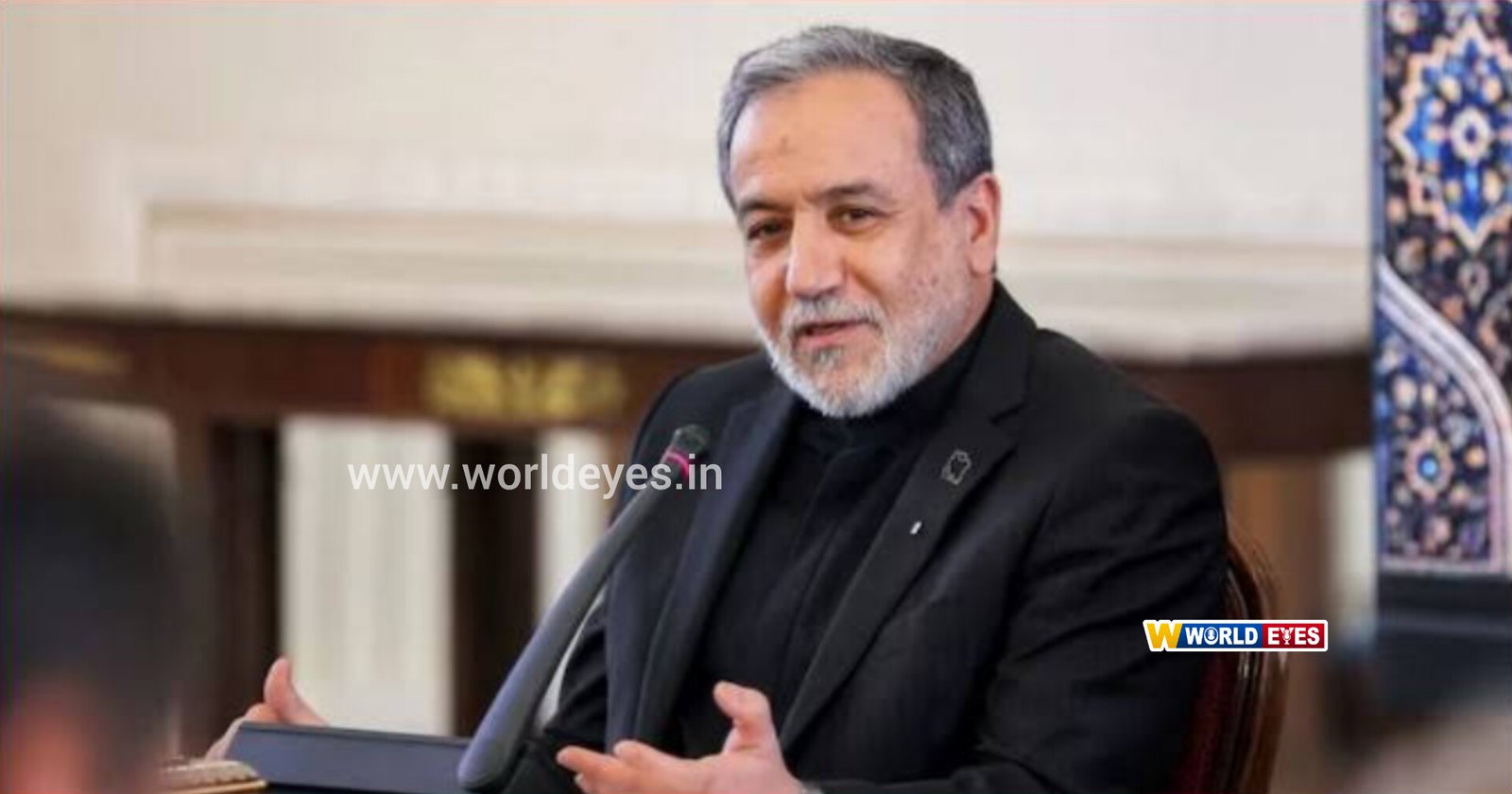
Iranian Foreign Minister Abbas Araghchi reiterated the proposal in an interview with Iranian state media and a post on social media platform X on November 8. He said the two-day proposal remains on the table and urged the White House to make a decision. Araghchi warned that Iran's military was prepared for further conflict if the United States chose confrontation over diplomacy.
Iran's Conditions for Reopening the Strait
Under Tehran's proposal, the United States would first have to meet several conditions, including ending hostilities on all fronts, lifting its naval blockade of Iranian ports, easing economic sanctions and releasing frozen Iranian assets.
Iran has also raised issues concerning military presence in the region and the consequences of the conflict. If Washington agrees to the conditions, Tehran says commercial shipping through the Strait of Hormuz could resume within two days.
The proposal is based on an earlier diplomatic framework developed through consultations involving Qatar and Pakistan, with the implementation timeline subsequently shortened.
Washington Rejects Tehran's Demands as Unrealistic
The United States, however, has expressed reservations over Iran's conditions.
US Secretary of State Marco Rubio described Tehran's demands as unrealistic and said negotiations had not reached a breakthrough. Washington has maintained that diplomatic efforts remain possible, although significant differences continue to complicate the negotiations.
President Donald Trump has also indicated that renewed US military strikes could be avoided if negotiations produce a strong agreement. However, he has warned that military action remains an option if diplomacy fails.
Midterm Election Results Add to Trump's Political Pressure
The Iran conflict has also emerged as a major political issue in the United States following the November 3 midterm elections.
The Republican Party's electoral setback has increased scrutiny of the Trump administration's handling of the conflict. Vice President JD Vance has acknowledged that the war contributed to the Republican defeat, adding to pressure on Washington to explore a diplomatic resolution.
Strait of Hormuz Crisis Raises Global Energy Concerns
The Strait of Hormuz remains one of the world's most critical energy transit routes, carrying a significant share of global oil and gas shipments.
Disruptions to commercial shipping through the waterway have intensified concerns over energy supplies, oil prices and international trade. Attacks on vessels and the US naval blockade have further complicated the security situation.
Meanwhile, Qatar and Pakistan are continuing diplomatic efforts to facilitate negotiations between Washington and Tehran. Despite the exchanges of proposals, no final agreement has been reached.
The key question now remains whether the United States will accept Iran's conditions and pave the way for the reopening of the Strait of Hormuz, or whether the prolonged conflict could once again escalate into military confrontation.
Reader Discussion (0)
Leave a Reply
Your email address will not be published. Required fields are marked *