
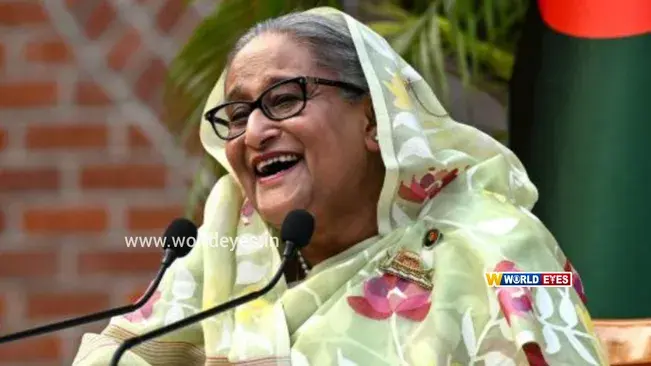
Bangladesh's former Prime Minister Sheikh Hasina's possible return from India has triggered fresh political and diplomatic developments, with her legal team seeking new travel and identity documents ahead of a proposed return in December 2026. However, the Bangladesh government has maintained that she should be brought back through extradition proceedings rather than issued a new passport.
According to a Reuters report, Hasina's lawyers on November 9 wrote to the Bangladesh Embassy in New Delhi, seeking a new passport and National Identity Card (NID). The letter was sent by lawyers from London-based Matrix Chambers to Acting High Commissioner Preeti Rahman.
The legal team reportedly stated that Hasina's previous passport and identity card had been cancelled by Bangladesh's interim government and other authorities. They requested the issuance of fresh documents, citing her Bangladeshi citizenship and international human rights provisions, and urged the embassy to process the application promptly.
Bangladesh Rejects Passport Route, Pushes for Extradition
Even before Hasina's passport request, Bangladesh had made its position clear that issuing her a new passport was unnecessary.
On November 6, State Minister for Foreign Affairs Humayun Kabir said Bangladesh and India have an extradition treaty under which Hasina could be brought back. He described her as a terrorist and fugitive and argued that passports are not required to bring back accused or convicted individuals when judicial procedures and extradition arrangements are available.
On November 8, Bangladesh Law Minister Mohammad Asaduzzaman also described Hasina as a convicted criminal and said Dhaka had already requested India to send her back under the extradition treaty.
The minister stated that the government would proceed according to law rather than emotions. The matter is currently being handled by the Home Ministry, with further legal steps depending on India's response to the extradition request.
Sheikh Hasina's Exile and Death Sentence
Sheikh Hasina left Bangladesh for India on August 5, 2024, following a massive student-led uprising against her government. She served as Bangladesh's Prime Minister for around two decades across multiple terms.
In November 2025, Bangladesh's International Crimes Tribunal sentenced Hasina to death in absentia after convicting her of crimes against humanity linked to the violence during the July-August 2024 student movement. Hasina has denied the allegations.
Meanwhile, her Awami League party has been banned, while several party leaders remain imprisoned or live in exile in India and other countries.
India has previously acknowledged receiving Bangladesh's extradition request for Hasina. However, New Delhi has not publicly announced a final decision on whether she will be handed over.
The latest passport application has once again brought Sheikh Hasina's political future, possible return and the India-Bangladesh extradition dispute into sharp focus.
Reader Discussion (0)
Leave a Reply
Your email address will not be published. Required fields are marked *